Tracing Payment Flows in Swedish-Regulated Apps That Blend Slot Features With Live Dealer Options
Noah Schwarz · Sep 9, 2026
Tracing Payment Flows in Swedish-Regulated Apps That Blend Slot Features With Live Dealer Options
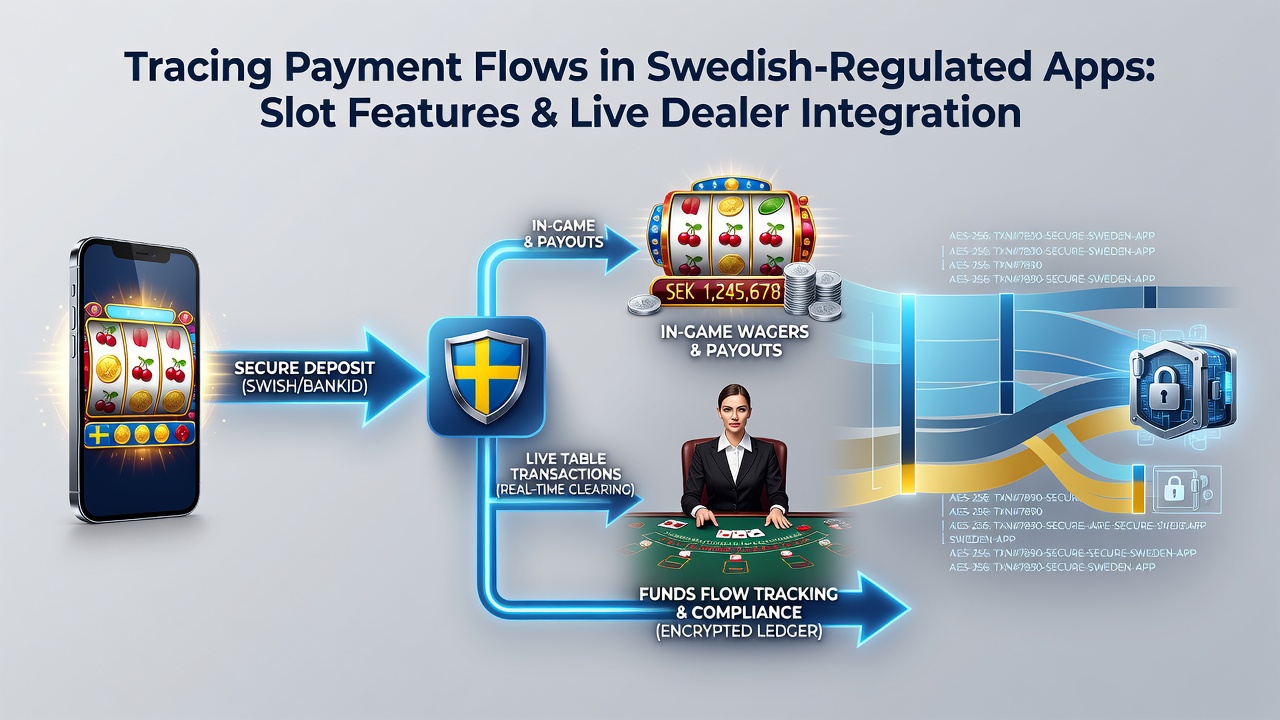
Swedish gambling regulations require operators to maintain strict oversight of all financial transactions within apps that combine slot machines with live dealer tables, and data from Spelinspektionen shows these hybrid platforms must route every deposit and withdrawal through verified channels that support real-time monitoring. Operators integrate systems like Swish and Trustly because both methods connect directly to Swedish bank accounts, which allows authorities to trace funds from player initiation to game settlement without intermediary delays. Research indicates that such direct linkages reduce opportunities for layering illicit proceeds while enabling operators to flag unusual patterns during live dealer sessions that often involve higher per-round stakes than standard slots.
Regulatory Requirements for Transaction Monitoring
Spelinspektionen mandates that licensed operators implement automated tools capable of logging transaction metadata including timestamps, player identifiers, and game type classifications whenever users move between slot rounds and live dealer tables. These requirements stem from the Swedish Gambling Act amendments that took effect in prior years and continue to shape compliance protocols into September 2026, when updated reporting templates require operators to submit aggregated flow summaries on a monthly basis. Experts note that hybrid apps must separate transaction ledgers by feature type because live dealer games trigger additional responsible gambling checks tied to session duration and bet velocity.
Operators achieve compliance through API connections that feed data into centralized risk engines, and studies from the European Gaming and Betting Association reveal that these engines apply machine learning models trained on historical Swedish market data to detect deviations such as rapid deposit-withdrawal cycles across both slot and table sections. The process ensures every krona remains attributable to a verified player account, which supports tax collection and anti-money laundering obligations under national law.
Common Payment Methods and Flow Pathways
Swish dominates deposit activity in Swedish-regulated environments because it processes instant transfers from personal bank apps directly into operator wallets, and this immediacy lets systems record the exact moment funds become available for either slot spins or live dealer buy-ins. Trustly follows closely for withdrawals since it reverses the flow by pulling verified amounts back to the originating account within minutes, creating an auditable loop that regulators can reconstruct during audits. Bank transfers serve as a secondary option for larger sums, though they introduce longer settlement windows that hybrid apps must flag separately when players alternate between fast-paced slots and slower live table decisions.
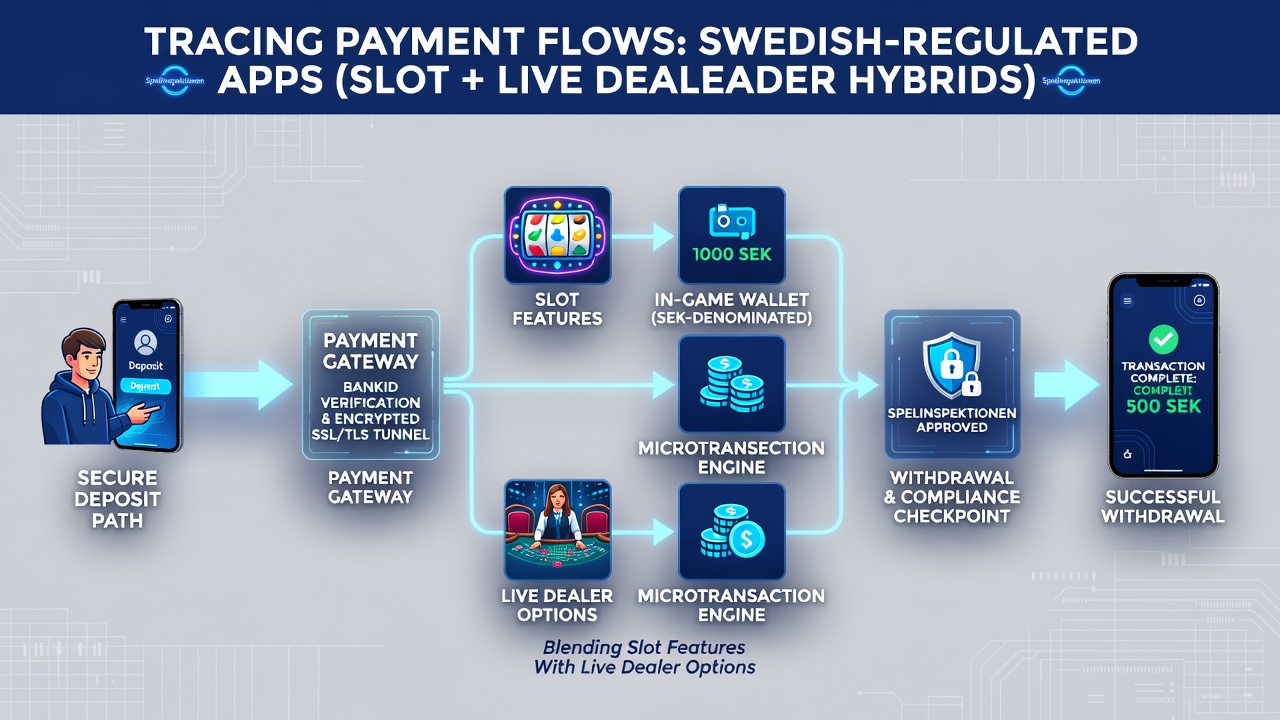
Hybrid apps often embed payment prompts within the game interface itself, allowing seamless top-ups without exiting the live dealer view, and observers observe that these embedded flows still route through the same regulated processors to maintain a single source of truth for transaction histories. Data shows that players who switch between slots and live options within a single session generate composite records that regulators examine for signs of problem gambling escalation, particularly when deposit frequency increases after live table losses.
Technical Mechanisms for Tracing Hybrid Activity
Backend systems employ unique transaction tokens that tag each movement of funds according to the active game module, enabling forensic teams to reconstruct sequences where a player deposits via Swish, plays slots briefly, then shifts remaining balance to a live blackjack table. These tokens carry metadata that includes game category flags, which become essential when operators calculate contribution rates toward wagering requirements or when authorities review disputes involving disputed live dealer outcomes. Automated reconciliation processes run nightly to match token logs against bank settlement files, and any discrepancies trigger manual reviews that must be completed before the next reporting cycle.
Third-party auditors periodically test these tracing capabilities by simulating player journeys across both feature sets, and findings confirm that Swedish-regulated platforms maintain at least 99 percent traceability for all regulated transactions. The emphasis on real-time visibility distinguishes the Swedish model from less integrated markets, where fragmented payment rails can obscure movement between different game types.
Challenges Specific to Blended Slot and Live Dealer Platforms
Live dealer streams introduce timing variables that slot-only environments lack, since table rounds can extend unpredictably while slot spins complete in seconds, and payment flows must accommodate both cadences without creating gaps in the audit trail. Operators address this by synchronizing payment gateways with game servers so that balance updates post immediately after each round regardless of duration, which prevents situations where a player attempts a withdrawal mid-hand. Research indicates that apps failing to align these clocks risk regulatory penalties because incomplete records violate the continuous monitoring standards set by Spelinspektionen.
Player authentication layers add another dimension because live dealer interactions often require additional identity verification steps compared to automated slots, and any payment initiated during these checks must pause until verification clears. Systems log these pauses as distinct events within the overall flow, allowing regulators to verify that no funds moved during pending identity reviews.
Conclusion
Swedish-regulated apps that blend slot features with live dealer options operate under payment tracing frameworks designed to deliver complete visibility from deposit to settlement, and ongoing refinements through September 2026 continue to strengthen these controls. The combination of direct bank-linked methods such as Swish and Trustly with token-based logging systems ensures that hybrid activity remains fully attributable, supporting both regulatory compliance and player protection objectives across the market.