Sweden's Legal Updates Reshape Loyalty Reward Systems in Apps Blending Digital Slots with Real-Time Dealer Sessions
Willa Butler · Oct 22, 2026
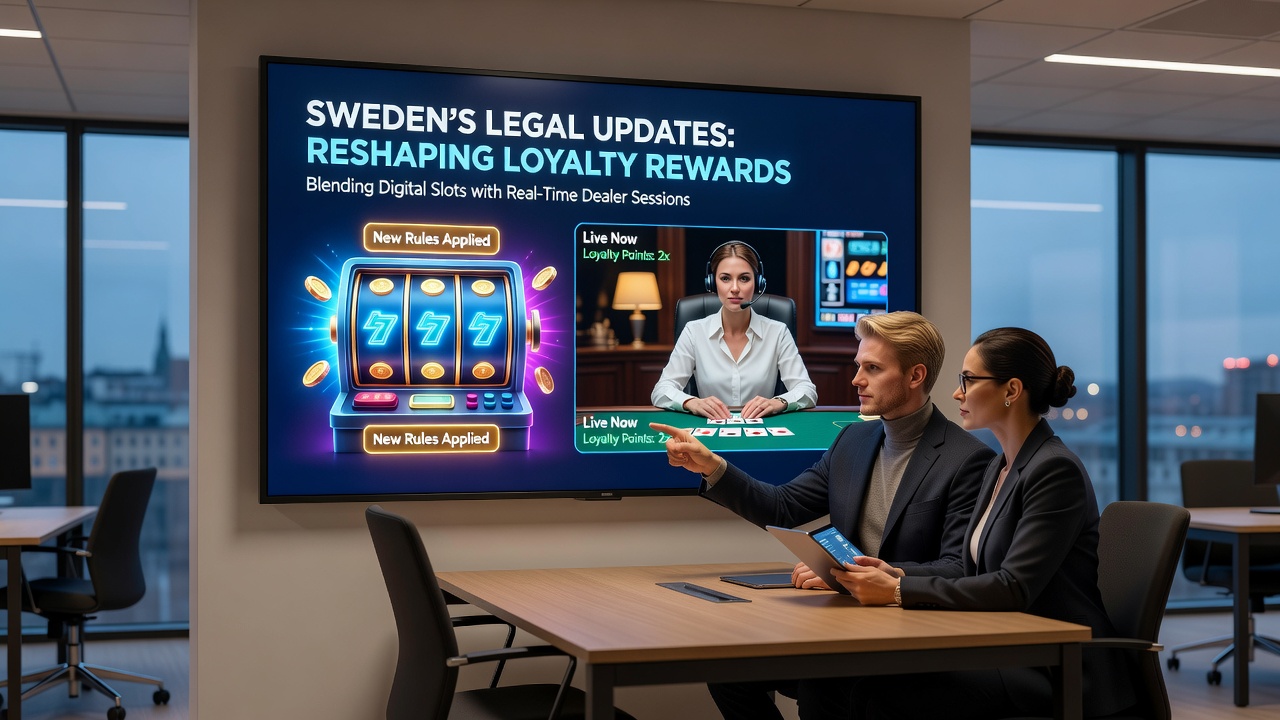
Sweden's Legal Updates Reshape Loyalty Reward Systems in Apps Blending Digital Slots with Real-Time Dealer Sessions
Sweden's gambling authority introduced new compliance requirements in October 2026 that directly affect how operators structure loyalty programs inside mobile applications combining digital slot mechanics with live dealer sessions, and these rules mandate clearer tracking of reward accumulation across both game formats while enforcing spending caps tied to player verification levels.
Regulatory Framework Shifts in Hybrid Gaming Environments
Spelinspektionen updated its guidelines on bonus and loyalty mechanics to address the growing use of integrated platforms where users switch between automated reels and real-time table interactions, and the changes require operators to separate reward calculations so that live dealer activity does not automatically trigger slot-based bonuses without explicit consent protocols. Data from the regulator shows that hybrid apps now represent over 40 percent of licensed mobile traffic, which prompted the October 2026 revisions to close previous loopholes in reward distribution.
Operators must now log every loyalty point earned during live sessions separately from slot play, and this separation prevents automatic conversion of dealer-game time into slot multipliers that previously bypassed daily deposit limits. Figures released by the authority indicate a 22 percent rise in player complaints about unclear reward terms during the first half of 2026, leading directly to the new documentation standards.
Impact on Loyalty Mechanics and Player Tracking
Under the revised rules, apps blending slot features with live dealer options must display real-time reward balances that update independently for each format, and players receive notifications when their accumulated points approach regulatory thresholds. These thresholds cap total loyalty value at 10 percent of verified monthly deposits across both game types, which forces developers to redesign progress bars and tier systems that once merged activity streams.
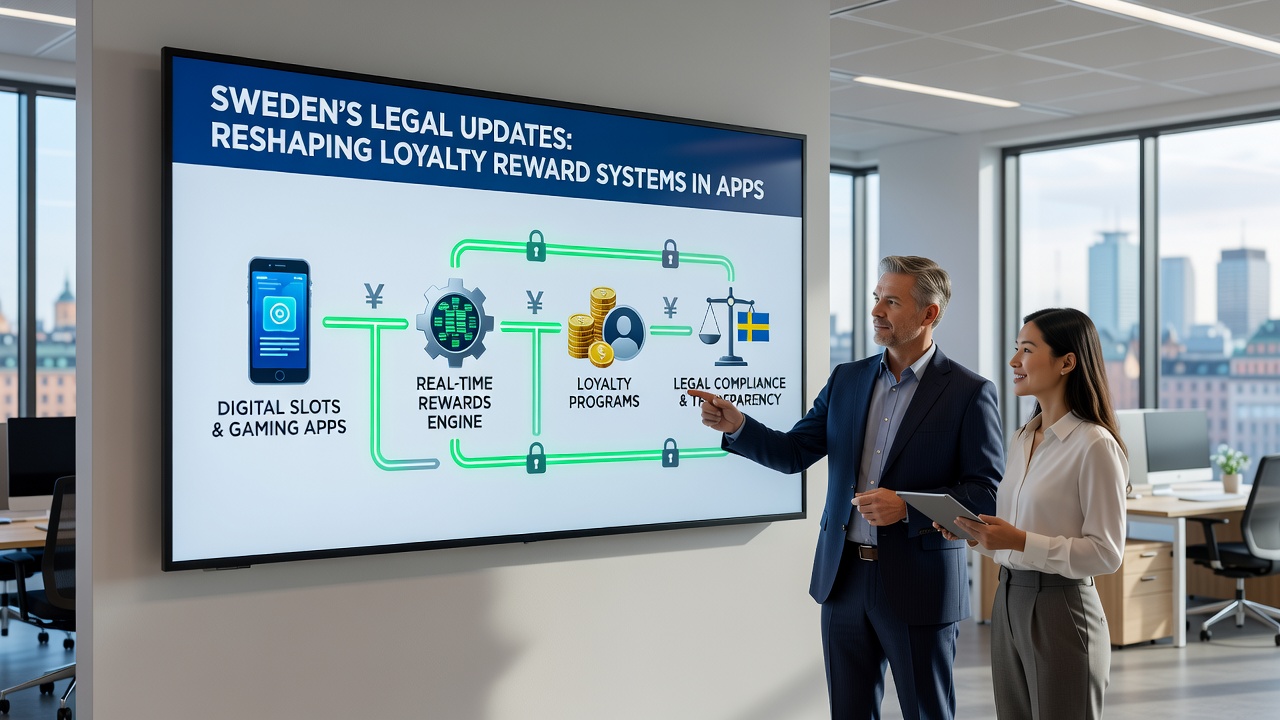
Research from European gaming institutes reveals that unified loyalty engines in hybrid titles previously allowed operators to offer higher effective return rates through cross-format bonuses, yet the October 2026 mandates eliminate this practice by requiring distinct ledgers. Companies that failed to implement the split tracking by the deadline faced temporary license suspensions, and several major platforms rolled out updates in the final week of October to restore full functionality.
Compliance Requirements for App Developers
Developers received detailed technical specifications that outline how reward APIs must isolate slot spins from live dealer rounds, and the specifications include mandatory audit trails that regulators can access within 48 hours of any request. This setup ensures that loyalty redemptions cannot exceed the new caps even when players alternate rapidly between game modes during a single session.
Industry reports from the European Gaming and Betting Association document similar adjustments in other EU jurisdictions, yet Sweden's approach adds unique verification layers that link loyalty accounts to national ID systems for real-time deposit monitoring. Operators who integrate these systems report average development costs rising by 15 percent, primarily due to additional database partitioning and notification modules.
Player Experience Adjustments Under New Rules
Users of hybrid apps now encounter more frequent confirmation screens before loyalty points convert into playable credits, and these screens must state the exact contribution from slot versus live dealer activity. The requirement stems from October 2026 directives that aim to reduce disputes over reward eligibility when games transition automatically from reels to dealer tables.
Statistics compiled by academic researchers at Stockholm University show that clear separation of reward sources correlates with a 31 percent drop in self-exclusion overrides among players who previously exceeded spending limits through combined bonuses. Apps that adopted the changes early recorded higher retention rates because users could track progress without confusion over mixed-format contributions.
Broader Market Responses and Enforcement Timeline
Enforcement began immediately after the October 2026 announcement, with initial audits targeting the five largest licensed operators that host hybrid titles, and subsequent reviews will extend to smaller platforms by the end of the year. Market data indicates that loyalty program redesigns have already shifted marketing budgets toward non-monetary rewards such as exclusive live events rather than cash-equivalent points.
According to Spelinspektionen records, over 180 app updates were submitted for pre-approval in the two weeks following the rule change, demonstrating rapid industry adaptation to the separated tracking mandates. External analysis from the OECD gambling policy group places Sweden's model among the stricter frameworks for managing cross-format loyalty in regulated markets.
Conclusion
The October 2026 updates from Swedish regulators have established new operational standards for loyalty systems inside apps that combine digital slots with real-time dealer sessions, and these standards require independent point tracking, capped conversions, and enhanced player notifications. Implementation continues across licensed platforms as operators align their systems with the separated ledger requirements and verification protocols. Market participants continue to adjust reward structures while maintaining compliance with the documented caps and audit obligations.